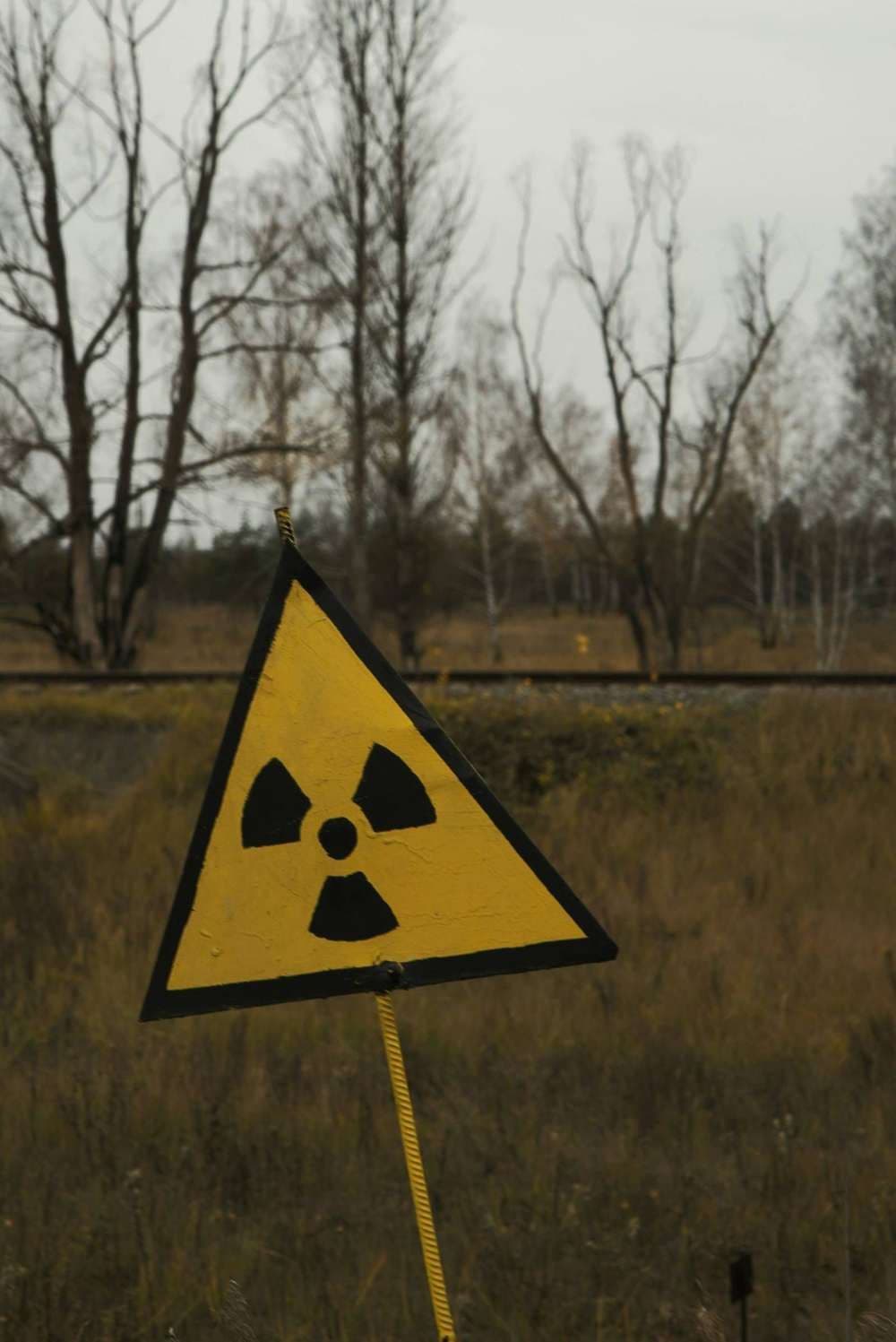
The small island of Jersey in the English Channel has become an unlikely poster child for PFAS contamination, and an even more unlikely advocate for medieval medical practices. After decades of firefighting foam contamination at Jersey Airport, residents are being advised to undergo bloodletting to lower dangerous PFAS levels in their blood, with 70% of tested residents having levels of PFHxS above safe thresholds.
While the government's acknowledgment of the problem is commendable, their solution reveals a fundamental misunderstanding of how PFAS elimination actually works. Jersey's bloodletting recommendation represents 15th-century medicine applied to a 21st-century problem.
The Jersey Contamination: A Decades-Long Disaster
The scope of Jersey's PFAS problem is staggering. Jersey Airport used 3M's firefighting foam containing PFAS from the 1960s, ramping up to weekly fire training exercises in the 1990s. One type of these "forever chemicals," called PFOS, was an ingredient of firefighting foam sprayed at Jersey Airport for several years until the chemical was banned in the 1990s.
The contamination timeline reveals systematic governmental failure:
- 1960s: 3M's firefighting foam use began at Jersey Airport
- Mid-1990s: Jersey discovered PFAS in groundwater
- 2000: 3M stopped making the product
- 2006: Residents in the affected "plume area" were finally moved to mains water supplies
This means residents drank contaminated water for over a decade after the government knew about the problem.
"Residents drank contaminated water for over a decade after the government knew about the problem. The contamination timeline isn't just a public health failure. It's a record of decisions made and warnings ignored."
As resident Graeme Farmer asked, "Why did they allow us to keep drinking the well water all that time?"
The Human Cost
The health impacts are already becoming evident. Farmer has multiple myeloma, a blood cancer of plasma cells that has been linked to PFAS exposure in some studies, and his father developed kidney and bladder cancer around the same time. Testing revealed PFOS levels in potatoes from the plume area were ten times higher than European Commission recommendations, indicating the contamination extends throughout the food chain.
The blood testing results are alarming: of 88 individuals tested, 70% had levels of PFHxS above safe thresholds, while significant percentages had elevated levels of other PFAS chemicals known to be carcinogenic or harmful to thyroid function and brain development.
The Government's Medieval Solution: Bloodletting
Faced with this crisis, Jersey's government turned to an approach that would be familiar to medieval physicians: bloodletting. Their PFAS Scientific Advisory Panel recommended "therapeutic phlebotomy service", with the therapy costing about £100,000 upfront and then as much as £200,000 a year to treat 50 people.
The government's rationale is based on limited evidence. Panel member Ian Cousins stated that "studies show that this is an effective way to lower levels of PFAS in blood," though he added that there were no guarantees the process would prevent or cure diseases associated with the chemicals.
Why Bloodletting Falls Short
While bloodletting can reduce PFAS levels, it's an inefficient, costly, and incomplete solution. Here's why.
Limited Volume and Safety Constraints
Standard phlebotomy removes approximately 450–500mL of whole blood per session. Since PFAS concentrates in plasma (which comprises only about 55% of whole blood), each bloodletting session removes roughly 250mL of plasma, and with it, the PFAS-containing proteins.
However, the critical limitation is that phlebotomy removes entire blood, including red blood cells, white blood cells, and platelets. Regular blood removal inevitably reduces hemoglobin levels and platelet counts, risking anemia and thrombocytopenia. This safety constraint means treatments can only be repeated infrequently: typically no more than every 8 weeks for healthy adults.
Inefficient and Dangerous Timeline
The Australian firefighter study demonstrated this limitation clearly. In the randomized trial, plasma donation reduced PFOS levels by 2.9 ng/mL over 12 months, which lead author Gasiorowski characterized as approximately a 30% decrease, roughly 2.6 times more effective than whole blood donation's 1.1 ng/mL reduction. Whole blood donation showed no significant effect on PFHxS at all. But the safety constraints make the problem worse: with mandatory delays between sessions to prevent anemia, achieving meaningful PFAS reduction through bloodletting could take years rather than months.
Hidden Costs
Jersey's cost estimates likely undercount the true expense. Meeting minutes noted that "these estimates are likely to under-estimate the cost to Government as they do not include on costs, some implementation costs and the costs of evaluation and monitoring".
The Superior Alternative: Therapeutic Plasma Exchange
Therapeutic plasma exchange offers everything bloodletting attempts, but with superior efficacy and efficiency.
Direct PFAS Targeting
TPE removes a clinically substantial volume of plasma per session, well beyond what a phlebotomy draw accomplishes. Because PFAS concentrates in plasma rather than in blood cells, targeting the plasma compartment directly is far more efficient than removing whole blood.
Demonstrated Results
Research demonstrates TPE's superiority across multiple toxin categories: 71.5% median bisphenol A reduction, 68% average glyphosate reduction, and 75.7% median phthalate reduction. For PFAS specifically, the Gasiorowski trial showed plasma donation about 2.6 times more effective than whole blood donation at reducing PFOS. TPE moves substantially more plasma per session than either approach, though TPE itself has not been directly studied in a PFAS RCT.
Faster Resolution
Instead of requiring dozens of bloodletting sessions over months or years, TPE protocols typically involve 3–5 sessions spaced 4 weeks apart.
Better Safety Profile
TPE immediately replaces removed plasma with albumin, maintaining oncotic pressure and protein levels. Bloodletting creates temporary protein depletion and volume depletion.
Jersey's Other Options
Jersey's panel has considered alternatives, including cholestyramine drug therapy, with annual treatment costs ranging from £8,760 to £23,255, and even haemodialysis, a process typically used for kidney failure, with each session lasting between three and five hours.
While cholestyramine shows promise for ongoing exposure reduction, it doesn't address the substantial PFAS burden already accumulated in residents' bodies. Hemodialysis is overkill, like using a sledgehammer to crack a nut.
The Cover-Up Factor
Jersey's limited treatment options may be influenced by more than medical considerations. A 2005 agreement between Jersey's government and 3M included a £2.6m payment for cleanup efforts but prohibits legal claims against 3M and obliges Jersey to assist the company in defending against future lawsuits.
As noted by lawyer Rob Bilott, who won major PFAS cases against chemical companies, "I've not seen something like this where there's an agreement to try to help the company against claims by others". This unusual legal arrangement may limit Jersey's willingness to pursue aggressive treatment options that could establish precedent for other PFAS-contaminated communities.
What Jersey Residents Should Know
If you're a Jersey resident dealing with PFAS contamination, here's what you need to understand.
Bloodletting Is Better Than Nothing
The government's bloodletting recommendation, while inefficient, will reduce PFAS levels. If it's your only option, it's worth pursuing.
TPE Would Be More Effective
Therapeutic plasma exchange would achieve similar results in far fewer sessions with better safety and comfort. The upfront cost might be higher, but the total cost would likely be lower.
Document Everything
Keep detailed records of your PFAS levels, symptoms, and treatments. This documentation may prove valuable for future legal or medical considerations.
Consider Private Treatment
Given Jersey's legal constraints with 3M, residents might need to seek TPE treatment privately, either on Jersey or in nearby UK facilities.
Lessons for Other Communities
Jersey's situation offers important lessons for the hundreds of communities worldwide dealing with PFAS contamination.
Government Acknowledgment Doesn't Equal Optimal Treatment
Just because a government recommends a treatment doesn't mean it's the most effective option available.
Corporate Legal Agreements Can Limit Treatment Options
Communities should be aware that legal settlements with polluting companies may constrain future treatment choices.
Early Intervention Matters
The decade-long delay between discovering contamination and switching residents to clean water likely worsened health impacts substantially.
Moving Forward
Jersey's PFAS crisis represents both a cautionary tale and an opportunity. While the government's bloodletting recommendation shows they're taking the problem seriously, residents deserve access to the most effective treatments available.
The real tragedy isn't just that Jersey residents were exposed to PFAS for decades. It's that they're now being offered 15th-century solutions to a 21st-century problem. In an era where we have sophisticated plasma exchange technology that can remove these chemicals efficiently and safely, recommending bloodletting falls short of the standard of care available today.
Jersey residents have suffered enough from their government's failures. They deserve better than medieval medicine dressed up as modern treatment.
If you're dealing with PFAS contamination, whether in Jersey or elsewhere, understanding your treatment options is crucial. While bloodletting may be better than no treatment, therapeutic plasma exchange offers superior results with fewer sessions and better safety.
"The choice shouldn't be between bad options and worse options. It should be between good options and better options."
The PFAS Series: