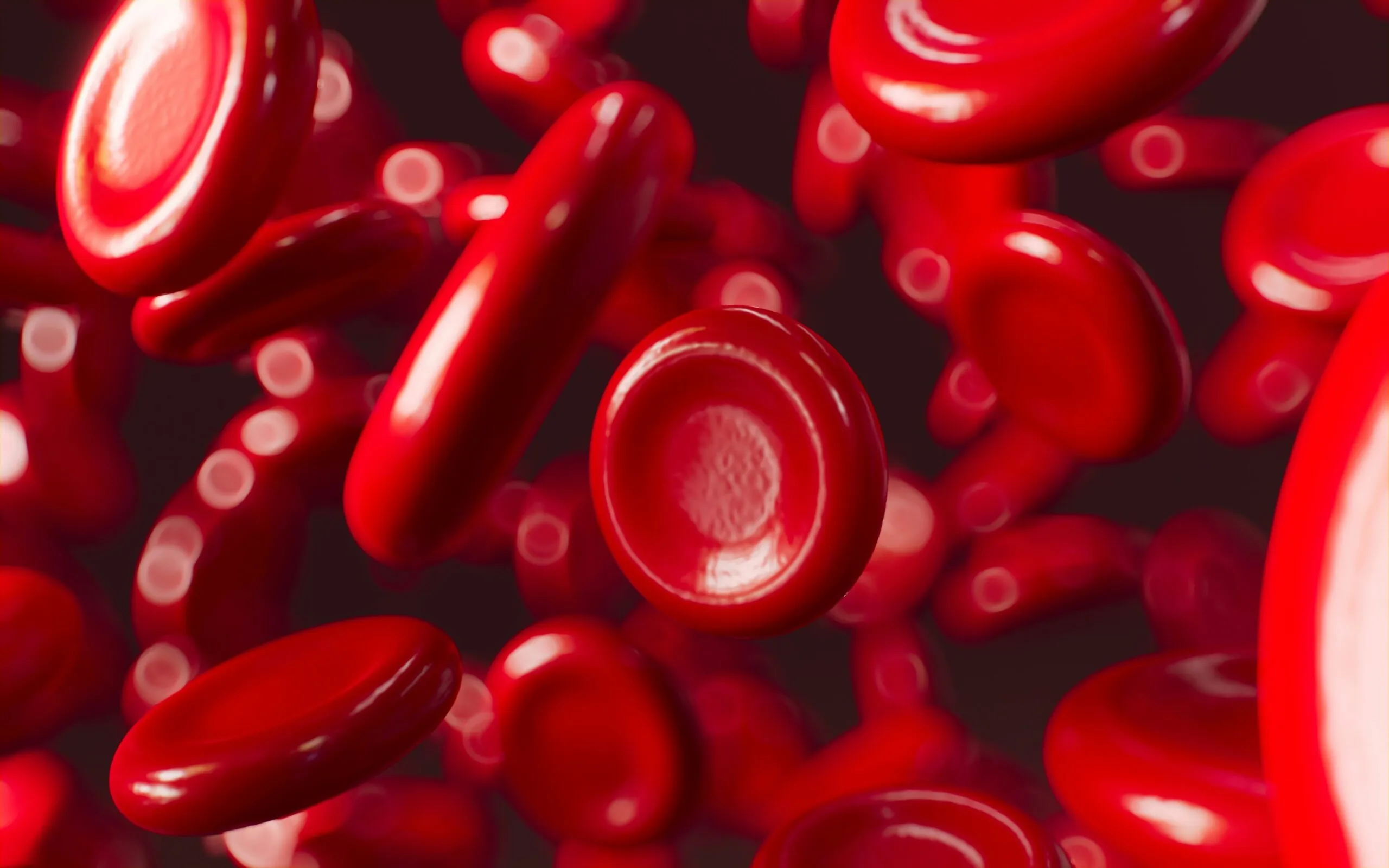
In 2005, a team of scientists at Stanford performed an experiment that sounds like science fiction. They surgically connected a young mouse to an old mouse, allowing them to share the same bloodstream. What happened next would change everything we thought we knew about aging.
The old mouse's tissues began acting young again. Its muscles repaired themselves faster. Its liver cells started dividing like they had in youth. Even its brain showed signs of rejuvenation. Meanwhile, the young mouse began showing signs of premature aging. It was as if aging itself, this thing we'd always assumed lived inside our cells, was actually circulating in the blood.
This discovery sparked two decades of research that would ultimately lead to an FDA-cleared procedure that has shown the ability to reduce biological age markers by several years in clinical studies. This is the story of that journey.
The Early Clues
The Stanford team's findings suggested something radical: maybe aging isn't just about your cells wearing out over time. Maybe there are molecules floating in your blood: signals that tell your body whether to act young or old. If old blood could age young mice, and young blood could rejuvenate old mice, then aging might be reversible.
The implications were staggering. For years, scientists had focused on individual diseases: cancer, Alzheimer's, heart disease. But what if all these conditions shared a common root cause: an aging bloodstream sending the wrong signals to every organ simultaneously?
By 2011, researchers had extended these findings to the brain. Old blood didn't just affect muscles and liver. It actually reduced the birth of new brain cells in young mice. Young blood reversed this effect in old mice, improving their memory and learning. They even identified specific culprits: proteins like CCL11 that accumulate with age and tell the brain to stop regenerating.
The Plot Twist
Here's where the story takes an unexpected turn. In 2016, scientists refined their experiments. Instead of keeping mice surgically connected for weeks, they developed a system to simply exchange blood between young and old mice in a single session.
What they discovered was shocking: old blood ages young mice much faster than young blood rejuvenates old mice. Within just days, young mice exposed to old blood showed impaired tissue repair and dramatically reduced brain cell production. Old blood wasn't just lacking youth factors. It contained something actively harmful.
This flipped the entire premise on its head. Everyone had been thinking about young blood as the fountain of youth. But maybe the real problem was old blood as the poison of aging.
"Old blood wasn't just lacking youth factors. It contained something actively harmful. The real problem wasn't the absence of youth. It was the presence of poison."
A Major Finding: Removal and Dilution, Not Addition
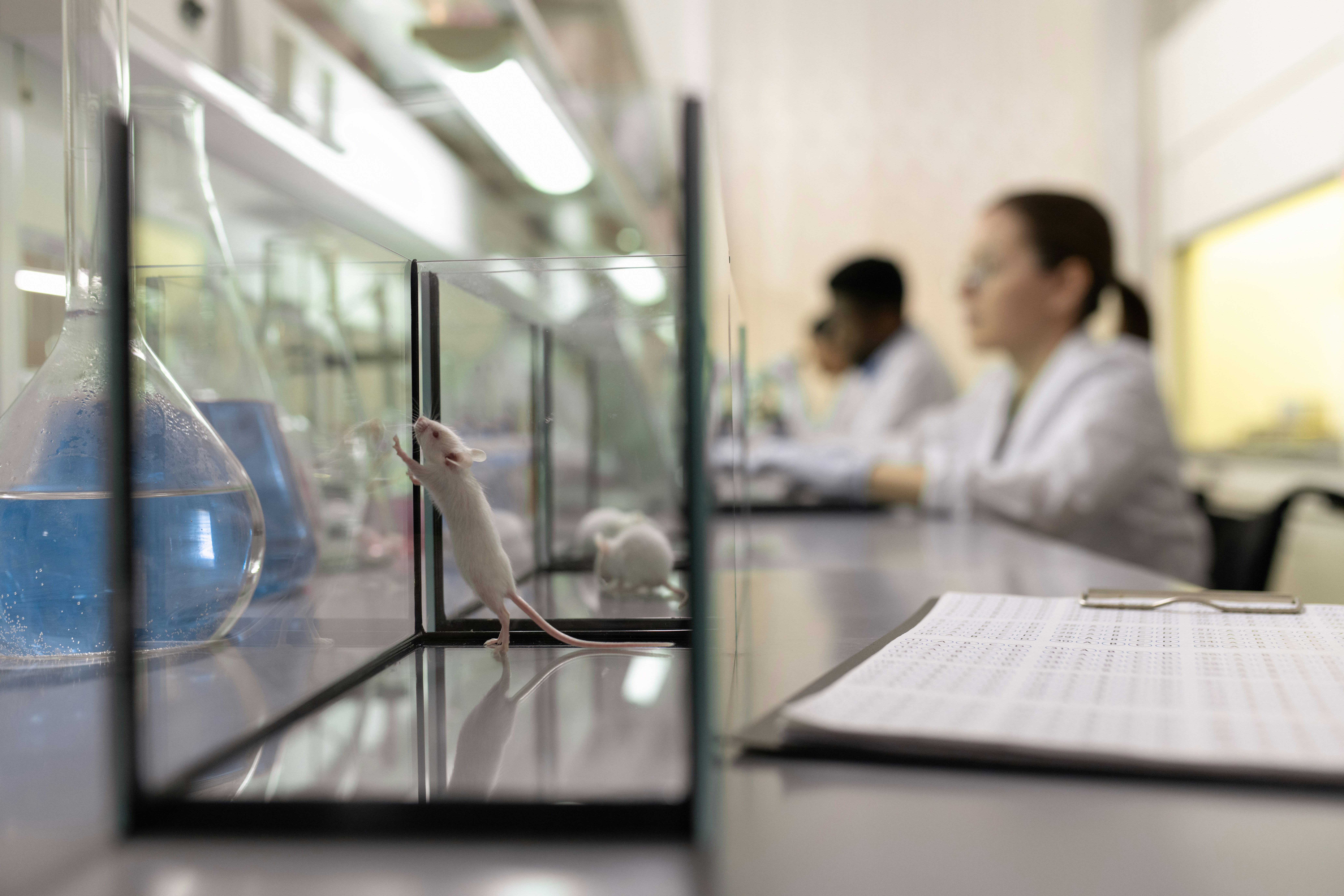
In 2020, the same UC Berkeley team published a study that would transform the field. They asked a simple question: What if we don't need young blood at all? What if we just need to get rid of the bad stuff in old blood?
They took old mice and performed a "neutral blood exchange," replacing half their blood plasma with saline and albumin (a basic protein). No young blood. No fancy factors. Just dilution.
The results were remarkable. Old mice showed the same rejuvenation as those exposed to young blood, maybe even better. Their muscles repaired themselves. Their livers regenerated. Their brains produced new cells. Memory and learning improved.
The paradigm had completely shifted. Aging wasn't about losing youthful factors. It was about accumulating harmful ones. Like a swimming pool that doesn't need more chlorine: it needs the algae removed.
Even more surprising: when they removed the "aging factors," the body's own rejuvenating factors came back on their own. It was as if the pro-aging molecules had been suppressing the anti-aging ones all along. Remove the suppressors, and the body remembers how to be young.
From Mice to Humans
This discovery had a huge advantage: there was already an FDA-cleared medical procedure that does exactly this in humans. It's called therapeutic plasma exchange, or TPE.
For decades, hospitals have used TPE to treat autoimmune diseases by removing harmful antibodies from patients' blood. The procedure is straightforward: blood gets pumped out, plasma (the liquid part) gets separated and discarded, and the blood cells return to the body along with replacement albumin. It's like an oil change for your blood.
But nobody had seriously considered using it for aging. That changed when the mouse studies showed dilution works.
In 2020, a major clinical trial called AMBAR tested TPE in a 322-patient Alzheimer's trial. The results were striking. After weekly treatments followed by monthly maintenance, moderately affected patients showed 61% less cognitive and functional decline at 14 months. Memory, language, and daily functioning all improved, with effect sizes that substantially exceeded newly approved Alzheimer's drugs, but without the dangerous brain swelling those drugs can cause. This was the first age-related disease to show significant improvement with TPE.
Then in 2022, the first study on biological age reversal was published. Eight adults received rounds of TPE, and a panel of protein biomarkers showed a measurably reduced biological age. Their immune systems looked younger. Cellular damage decreased. Inflammatory pathways normalized.
Most recently, a 2025 multi-omics study optimized the protocol. Forty-two participants received different TPE regimens. The winner: biweekly sessions plus immune supplementation. Biological age decreased by 2.61 years after just three sessions. Their "immune age" dropped by almost 10 years.
How It Actually Works
So what exactly are these "aging factors" that TPE removes? Researchers have identified several key categories of harmful factors that accumulate with age. Senescent cells (damaged cells that should die but instead linger) secrete inflammatory molecules that instruct neighboring cells to age as well. TPE removes these signals, breaking the chain reaction. Pro-inflammatory cytokines and adhesion molecules drive chronic inflammation, which underlies most age-related disease; TPE measurably reduces these. Oxidized and glycated proteins accumulate with age, damaging cellular machinery; replacement with fresh albumin provides clean, functional substitutes. And even healthy older people accumulate autoantibodies against their own tissues, contributing to low-grade autoimmunity and chronic inflammation, and these too are cleared with each session.
But TPE doesn't just remove the harmful. When pro-aging molecules are cleared, the body's own regenerative signals return on their own, as if the harmful factors had been suppressing them all along. Pro-regenerative proteins increase. Immune cell populations rebalance. Gene expression patterns shift toward youth. It's a full system reset.
Where We Stand Today
TPE for aging is no longer experimental. It's being performed in clinics today, and it draws on a safety record built over decades of therapeutic use. Adverse reactions are uncommon and usually mild, and serious complications are rare.
The procedure takes 2-3 hours in an outpatient setting. Most people tolerate it well and resume normal activities immediately. Current protocols involve 3-6 initial sessions, followed by periodic maintenance.
Cost remains a barrier: typically $6,000–12,000 per session in the US. But compared to a lifetime of managing chronic diseases, or the $26,000–32,000 annual drug cost of FDA-approved Alzheimer's biologics (which can exceed $90,000 annually when MRI monitoring and side effect management are included), TPE may prove cost-effective for preventing age-related decline.
Research continues to optimize protocols. How often should treatments occur? What's the ideal replacement fluid? Can we identify specific harmful factors for targeted removal? Should TPE be combined with other interventions like senolytics or NAD+ boosters?
The Bigger Picture
The journey from parabiosis to plasma exchange represents something bigger than just another medical treatment. It represents a fundamental shift in how we think about aging.
For generations, we accepted aging as inevitable. We treated its symptoms, the heart disease, the dementia, the frailty, but never questioned whether aging itself could be modified. The parabiosis experiments demonstrated it could be. The dilution studies showed how. And TPE has shown it works in humans.
We now know that biological age is not the same as chronological age. You can be 70 years old but biologically 68, or 65. And that difference matters enormously for health, function, and lifespan.
More importantly, we've learned that aging is actively maintained, not passively accumulated. It's not just damage piling up. It's a regulatory state enforced by signals in your blood. Change those signals, and you change the state.
This opens the door to a new kind of medicine: one that doesn't wait for disease but maintains youth. Instead of treating Alzheimer's at 75, heart disease at 70, and diabetes at 65, we might prevent all three by keeping biological age in check starting at 50 or 60.
Twenty years ago, those Stanford scientists connected two mice and changed our understanding of what aging is. Today, clinics around the world are using that knowledge to help people live not just longer, but better. The blood revolution is just beginning.
"The fountain of youth wasn't about adding something magical. It was about removing what shouldn't be there in the first place."