When Gwyneth Paltrow writes about a medical procedure, search engines notice. So do patients. And in this case, that's not a bad thing.
Goop's recent feature on therapeutic plasma exchange, documenting Gwyneth's personal experience treating a significant environmental toxin burden, introduced millions of readers to a procedure that has been used in hospitals for decades. LeAnn Rimes and Orlando Bloom were also mentioned. The cultural moment is real, and the curiosity it's generating is legitimate.
I perform this procedure. I've done it over 500 times. And I want to give you the clinical context that a lifestyle feature, by its nature, can't fully provide.
What the article gets right
The core premise holds up. Therapeutic plasma exchange removes plasma from your bloodstream, the liquid component of blood, and replaces it with a clean substitute, typically pharmaceutical-grade albumin. The plasma you shed carries with it whatever has accumulated there: autoantibodies, inflammatory proteins, environmental toxins, pro-aging molecules. The replacement fluid doesn't.
The environmental toxin angle the article focuses on is clinically sound. Compounds like phthalates, mycotoxins, pesticide residues, and microplastics do circulate in plasma, and forever chemicals can spike during weight loss as stored toxins are released from fat tissue. There are patients whose detoxification pathways, partly genetic, partly related to accumulated burden, are genuinely compromised in ways that standard interventions don't address. TPE is one of the few tools that works at that level directly.
The coverage of the Fuentealba et al. study published in Aging Cell in 2025 is also accurate. That trial, involving researchers and physicians in the longevity medicine space, offered some of the first human data suggesting that plasma exchange shifts epigenetic markers of biological age. It's early. It's meaningful. And it's part of why this field is moving quickly.
What the clinical picture adds
The Goop piece was honest that this is off-label for wellness use. That's an important disclosure. TPE has been an established, guideline-supported treatment for autoimmune disease, neurological conditions, and blood disorders for decades. That's the backbone of the procedure's safety record. Its use in longevity and environmental detoxification is newer territory, supported by emerging evidence but not yet reflected in most insurance coverage.
A few things I want prospective patients to understand:
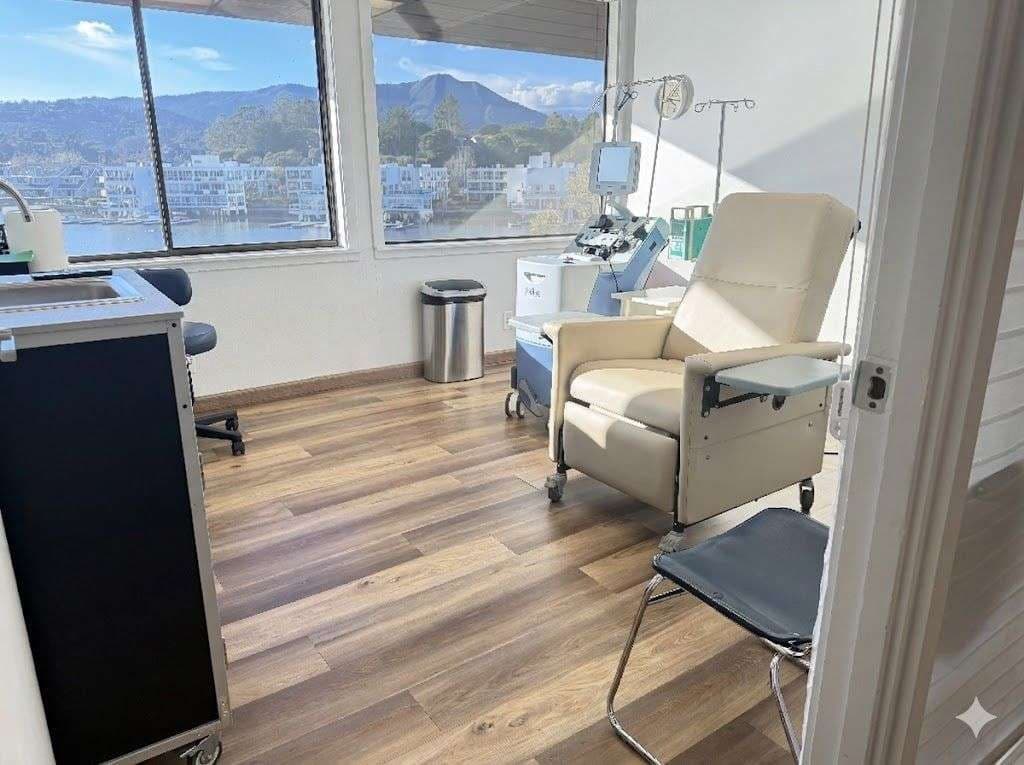
Not every provider is the same. TPE is a specialized procedure requiring an apheresis machine, trained nursing staff, and a physician who can manage the hemodynamic demands of the treatment in real time. The setting matters. The experience of the team matters.
Your evaluation should come first. A comprehensive workup, including toxin panels, inflammatory markers, and a clinical history, should inform whether and how TPE is appropriate for you. The procedure isn't one-size-fits-all, and protocol varies significantly based on your goals and baseline health.
The procedure is well-tolerated, but it is a medical procedure. Sessions typically run around two hours. Most patients tolerate TPE without significant discomfort. Side effects are generally mild and transient. But this is medicine, not a spa treatment. The right clinical environment matters.
For a deeper look at the science behind TPE and environmental toxin removal, including mechanisms, what a protocol looks like, and who is a candidate, see the full overview of TPE for Detoxification & Environmental Toxins.
Where I practice
I serve as Associate Medical Director at Global Apheresis in Mill Valley, California, working alongside Dr. Dobri Kiprov, one of the physicians who established therapeutic plasma exchange in the United States and who has overseen more than 15,000 treatments over his career. If you're exploring TPE for environmental detoxification, longevity, Alzheimer's risk, or autoimmune conditions, I'd encourage you to start with a consultation and an honest clinical conversation.
The Goop article asked good questions. I'm happy to help you think through the answers.