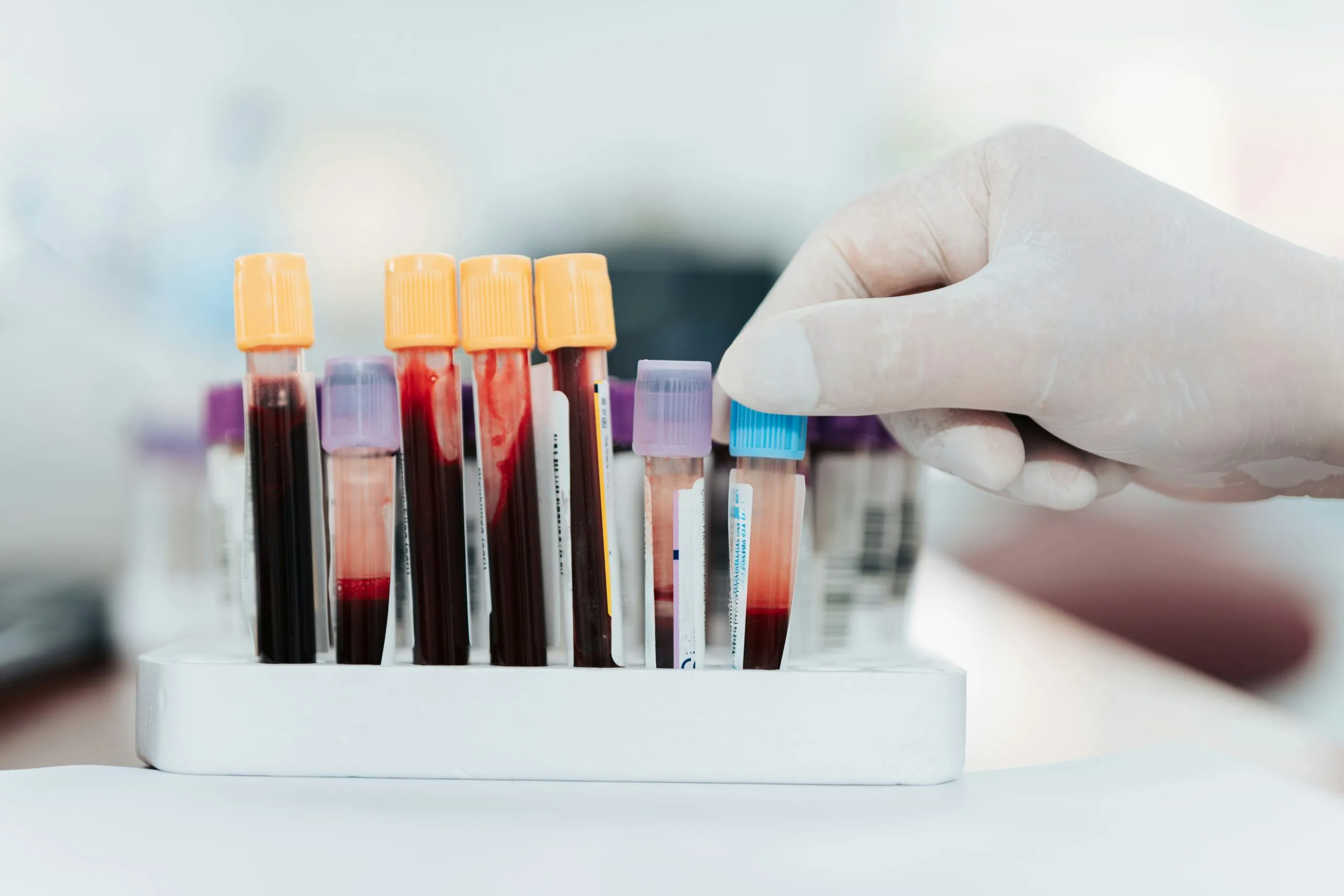
Introduction: The Question Everyone Asks
If you're considering therapeutic plasma exchange (TPE) for longevity and health optimization, you've probably wondered: "How will I know if it's working?"
It's a fair question. We live in an era of quantified health -- continuous glucose monitors, fitness trackers, and comprehensive blood panels. Surely there must be a simple biomarker to tell us if TPE is rejuvenating our biology, right?
The answer is more nuanced than you might expect. And understanding why tells us something profound about aging itself.
The Current State of Longevity Biomarkers
Let's start with what we do have: biological aging clocks. These epigenetic tests analyze patterns of DNA methylation -- chemical tags on your DNA that change predictably with age. Companies like TruDiagnostic and MyDNAge offer tests that claim to measure your "biological age" as opposed to your chronological age.
The research is promising. A 2022 study provided the first clinical evidence that TPE reduces human biological age, measured through a novel panel of protein biomarkers rather than epigenetic clocks. A 2025 multi-omics analysis then examined biological age across 35 epigenetic clocks and found significant rejuvenation with TPE combined with IVIG -- reducing biological age by roughly 1.3 years with TPE alone and about 2.6 years when TPE was paired with IVIG. These clocks have been validated in large studies to predict health outcomes and mortality.
But there are real limitations. There's no clinical standardization -- unlike cholesterol or blood sugar, there's no consensus on which clock is "best" or what specific values mean for your health. Tests run $300--500, making frequent monitoring expensive. Different clocks can also give different results, and we're still learning which are most clinically meaningful. While they correlate with health outcomes in large populations, we don't yet know whether improving your clock score definitively improves your healthspan.
Aging clocks show genuine promise, but they remain an emerging tool. The field is actively working to understand what the numbers mean and how they should guide treatment decisions.
What the Research Does Show: Three Categories of Change
Despite the biomarker limitations, extensive research has documented specific, measurable changes that occur with TPE.
Category 1: Cellular and Immune Remodeling
Multiple studies have demonstrated that TPE fundamentally reshapes the immune system toward a more youthful state -- though measuring these changes requires specialized testing that remains largely confined to research settings.
As we age, the immune system shifts toward myeloid cells (associated with inflammation) and away from lymphoid cells (adaptive immunity). This "immunosenescence" impairs our ability to fight new infections and cancer. TPE reverses this pattern: lymphoid markers including T cells, B cells, and NK cells increase, while inflammatory myeloid markers like CD68 decrease. Capturing this requires flow cytometry analysis, which is not part of routine clinical care.
Similarly, studies show TPE reactivates dormant stem cells -- but measuring stem cell function requires invasive biopsies or specialized blood tests not widely available outside research. Markers of cellular senescence (p16, SA-beta-gal) and DNA damage (8-OHdG) also decrease significantly with TPE, but these too are research assays, not standard clinical tests.
The changes are real and measurable. They're simply not easily accessible outside of a research context.
Category 2: Proteome Remodeling
Perhaps the most well-documented effect of TPE is its impact on the blood proteome -- the thousands of proteins circulating in your bloodstream. Comprehensive proteomic analyses have found that TPE significantly alters hundreds of circulating proteins. In one study of 507 proteins measured, 72 changed significantly, and those proteins were enriched in inflammatory pathways, cancer-associated pathways, and biological processes related to aging.
Two proteins deserve particular attention. TLR4 (Toll-like Receptor 4) has been identified as a central nodal point in aging pathways -- it increases dramatically with age and connects multiple age-related signaling networks including JAK-STAT, MAPK, TGF-beta, and NF-kappaB. TPE significantly reduces TLR4 levels, and this reduction persists for months after treatment. VCAM1 (Vascular Cell Adhesion Molecule 1) correlates strongly with age in human plasma, increases on brain blood vessels with aging, and is associated with neuroinflammation and cognitive decline. It is likely reduced by TPE through the plasma dilution mechanism.
Researchers have also identified ten proteins that show increased variability -- a kind of "biological noise" -- with age and disease, and this noise decreases with TPE. These proteins collectively provide a direct measure of biological age with a Pearson correlation of R=0.73 (p<0.0001) with chronological age. At the same time, pro-inflammatory cytokines including IL-6, TNF-alpha, and IP-10 decrease, while pro-regenerative factors including IGF and EGF increase.
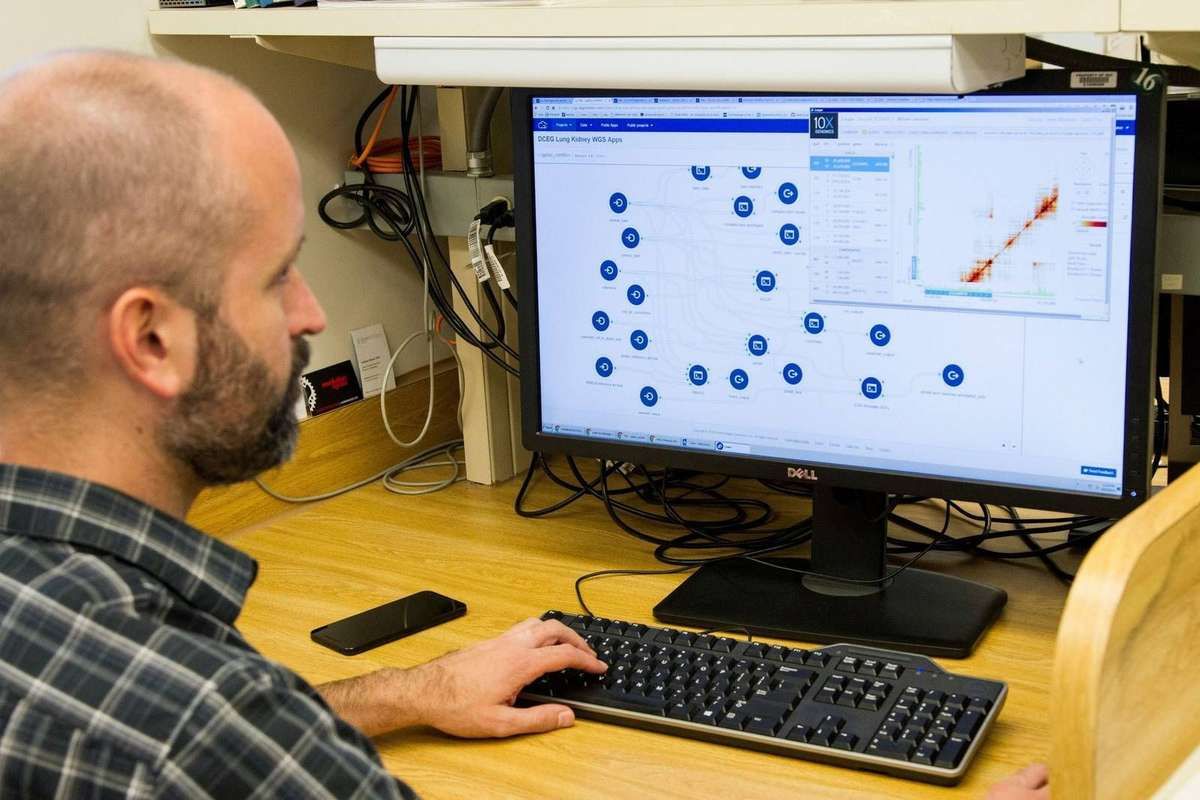
The measurement challenge is practical, not scientific. Comprehensive proteomics using antibody arrays costs thousands of dollars and requires specialized labs. While individual inflammatory markers like CRP or IL-6 can be measured clinically for $50--200 each, we don't yet have a standardized, affordable aging proteome panel that captures the full picture.
"Aging is not a single process. No single biomarker can capture the full scope of what TPE addresses -- and that's not a limitation of the treatment. It's a limitation of our current measurement tools."
Category 3: Environmental Toxin Removal
This is perhaps the most straightforward benefit to measure -- and one of the most clinically important.
A landmark 2022 randomized controlled trial in JAMA Network Open examined the effect of plasma donation on PFAS levels in 285 Australian firefighters over 12 months. Participants in the plasma donation group saw PFOS reduced by approximately 25%, PFHxS by approximately 21%, and PFOA by approximately 42% -- all statistically significant reductions sustained through a 12-week follow-up period after donations stopped. The control group showed no significant reduction.
This matters for a critical reason: the study used standard plasma donation protocols. Therapeutic plasma exchange typically removes three to four times more volume per session than donation. TPE also uses albumin as the replacement fluid -- a powerful binding protein that can sequester toxins like PFAS, potentially enhancing removal beyond simple dilution. Given these differences, it's reasonable to expect TPE would achieve substantially greater toxin removal than the 21--25% reductions seen with plasma donation, though the precise removal rates with TPE remain to be quantified in clinical trials.
PFAS chemicals are linked to kidney and testicular cancer, thyroid dysfunction, immune system impairment, elevated cholesterol, and liver damage. TPE also addresses other documented environmental burdens including glyphosate, heavy metals such as lead, mercury, and cadmium, and various synthetic chemicals detected in biomonitoring studies.
The Unknown Variables: What We Don't Know
Scientific humility is important here. We don't know the identity of all aging factors -- heterochronic parabiosis studies show that diluting old blood rejuvenates tissues, but we haven't identified every harmful pro-geronic factor. We don't fully understand the mechanisms even for factors we've identified. And individual variation means the same factor may matter more in some people than others.
None of this is unique to TPE. The same limitations apply to every longevity intervention. Metformin, rapamycin, senolytics -- we use them based on demonstrated benefits, not complete mechanistic understanding. Medicine often progresses through empirical observation first, and mechanistic understanding follows.
The AMBAR Precedent: When Biomarkers Don't Tell the Whole Story
The Alzheimer's disease field offers a crucial lesson about the distinction between biomarkers and clinical outcomes. The AMBAR study, published in 2020, tested TPE in a 322-patient trial. The results were striking:
Here's the critical finding: when researchers analyzed cerebrospinal fluid biomarkers, amyloid levels did not decrease significantly, and tau levels did not change as expected. The biomarkers suggested the treatment "shouldn't work." Yet patients undeniably improved. Activities of daily living were preserved. Cognition declined more slowly. Family members reported better quality of life.
Even more remarkably, approximately 30% of patients were amyloid-negative -- they didn't have the hallmark Alzheimer's pathology -- yet they benefited just as much as amyloid-positive patients.
My interpretation, which is not stated explicitly by the AMBAR researchers: these findings suggest TPE may be addressing fundamental aging processes rather than disease-specific pathology alone. The fact that amyloid-negative patients benefited equally implies mechanisms beyond simple amyloid removal.
"The AMBAR study taught us that clinical benefit matters more than biomarker changes. Patients showed 52--71% reduction in decline -- even when the expected biomarkers didn't move. Your lived experience is data."
What Actually Matters: Clinical Outcomes
Your lived experience is the most important outcome -- and the research supports this framing.
Across multiple studies and diverse patient populations, TPE has demonstrated consistent cognitive benefits: improved mental clarity, better focus and concentration, enhanced memory formation, faster processing speed, and reduced cognitive fatigue. Physical benefits include increased sustained energy, improved exercise capacity and recovery, reduced joint pain, and enhanced endurance. Systemically, patients report improved sleep quality, reduced chronic inflammation, better mood and emotional regulation, and enhanced stress resilience.
Disease-specific results are equally compelling. Long COVID patients show improvement in neuropathy, fatigue, and brain fog. In Alzheimer's disease, the AMBAR data shows a 52--71% reduction in progression. Case reports document pain improvement in complex regional pain syndrome. Various autoimmune conditions show reduced disease activity.
These improvements occur consistently. Patients notice them, families notice them, and physicians notice them.
My Clinical Recommendation: Track What Matters to You
Given the current state of biomarker science, here's my practical approach with patients.
Start with subjective daily tracking. A simple journal or tracking app -- rating energy, mental clarity, physical capacity, pain, sleep, and mood on a 1--10 scale each day -- captures changes before any biomarker will. Weekly and monthly reflections on exercise performance, cognitive tasks, social engagement, and overall quality of life provide the most actionable picture of whether treatment is working. This is free, immediate, and ultimately measures what we're trying to improve.
Add standard lab work for safety and general health. Inflammatory markers (CRP, ESR), a metabolic panel, liver and kidney function, a complete blood count, and thyroid function if relevant won't tell you whether you're biologically younger, but they track overall health and can identify any concerns.
Consider advanced options selectively. Biological age testing ($300--500) is worth considering at baseline and after your initial series of procedures -- use the same company each time for consistency, and don't let a single number define your experience. Toxin testing is most valuable for patients with known occupational exposures: firefighters, agricultural workers, industrial workers, or those near contaminated sites. Advanced inflammatory markers like IL-6, TNF-alpha, and oxidized LDL, or cardiovascular markers like ApoB and Lp(a), are useful for patients with specific concerns but aren't essential for most.
For patients using TPE for a specific condition -- autoimmune disease, long COVID, recent toxin exposure -- disease-specific biomarkers become more important, and we tailor monitoring accordingly.
The Bigger Picture: What This Tells Us About Aging
The biomarker challenge reveals something fundamental about aging itself. Aging is not a single process -- it's the accumulation of damage across multiple systems simultaneously: DNA damage and epigenetic drift, protein misfolding and aggregation, cellular senescence, stem cell exhaustion, mitochondrial dysfunction, chronic inflammation, extracellular matrix changes, vascular dysfunction, immune system decline, and metabolic dysregulation.
TPE appears to work precisely because it addresses multiple aging processes at once -- removing pro-inflammatory factors, diluting senescence-associated secretory phenotype factors, reducing pro-geronic proteins, eliminating environmental toxins, improving immune function, and reducing systemic inflammation. This multi-factorial mechanism explains why it works across diverse conditions, why it helps amyloid-negative Alzheimer's patients, and why patient experience remains the most reliable indicator of benefit.
Practical Takeaways
Don't let the absence of perfect biomarkers prevent you from tracking meaningful outcomes. Your cognitive function, energy, physical capacity, and quality of life are what actually matter -- and they're measurable. Use standard lab work for safety monitoring, and consider advanced testing selectively rather than routinely. Trust your experience: if you feel significantly better across multiple dimensions, that's real and valuable regardless of what any single test shows. Remember that some benefits appear within weeks, while others accumulate over months. And remember AMBAR -- clinical benefit can occur even when traditional biomarkers don't change as expected.
Conclusion
The question "How do we measure success with TPE?" has a simpler answer than the science might suggest: you measure it by how you feel and function.
Do you have more energy? Is your thinking clearer? Are you exercising better? Is your pain reduced? Can you do things you couldn't before? If the answer is yes, TPE is working -- regardless of what any biomarker says or doesn't say.
The research strongly supports that profound biological changes are occurring: your immune system is rejuvenating, your proteome is resetting, toxins are being cleared, inflammation is decreasing, and aging processes are slowing. We can see this in the science, even when we can't yet capture every aspect with simple blood tests.
The AMBAR study taught us that clinical benefit matters more than biomarker changes. Your lived experience of improved health and function is the biomarker that counts most.